
Non-destructive excavation · UAE
Excavate near live utilities.
Safe, precise, fast.
The UAE's specialist suction excavation fleet, exposing buried utilities without manual digging.
Non-destructive excavation · UAE
The UAE's specialist suction excavation fleet, exposing buried utilities without manual digging.
Safe
Soil is drawn away by air. Cables, gas, fibre and pipework are never struck or cut.
Precise
Buried services exposed to the centimetre, located and verified before work begins.
Fast
A clean dig in less time than hand-excavation, with fewer people in the trench.
ATEX-rated
Spark-controlled equipment for explosive-atmosphere and otherwise regulated sites.
Why suction excavation
Around live cables, gas mains, fibre and pressurised pipework, a mechanical strike means an outage, a fire risk or an injury. The usual fallback, digging by hand, is slow and often unsafe inside ATEX zones. Suction excavation removes the soil with air, so nothing rigid ever touches the asset. It is the established method for non-destructive excavation internationally, and the same equipment now works here.
No strikes
Air does the digging, so buried services are exposed intact, located and verified.
Less to reinstate
Narrower, neater excavations mean less surface to break out and make good.
Safer crews
Spoil is lifted from above, so fewer people work down in the trench or chamber.
Technology
Stony ground, loose spoil, even indoor clean-up. Air does the work, with no mechanical contact and nothing to strike.
How it works
01
Site walk with the asset owner. Existing utility drawings and records reviewed. Approvals in hand before the truck arrives.
02
High-CFM air extraction for dry sand and friable soil; hydro injection where cohesive. Live cables, gas lines and fibre are physically untouched.
03
Spoil into the onboard debris tank. No skip on site, no dust plume, no cleanup contractor. Site stays operational.
04
Backfill, compact, photograph, sign off. Asset owner takes back the corridor in the same shift.
Applications
Where suction excavation is put to work, safely, across UAE refineries, utilities, roads, rail and infrastructure.
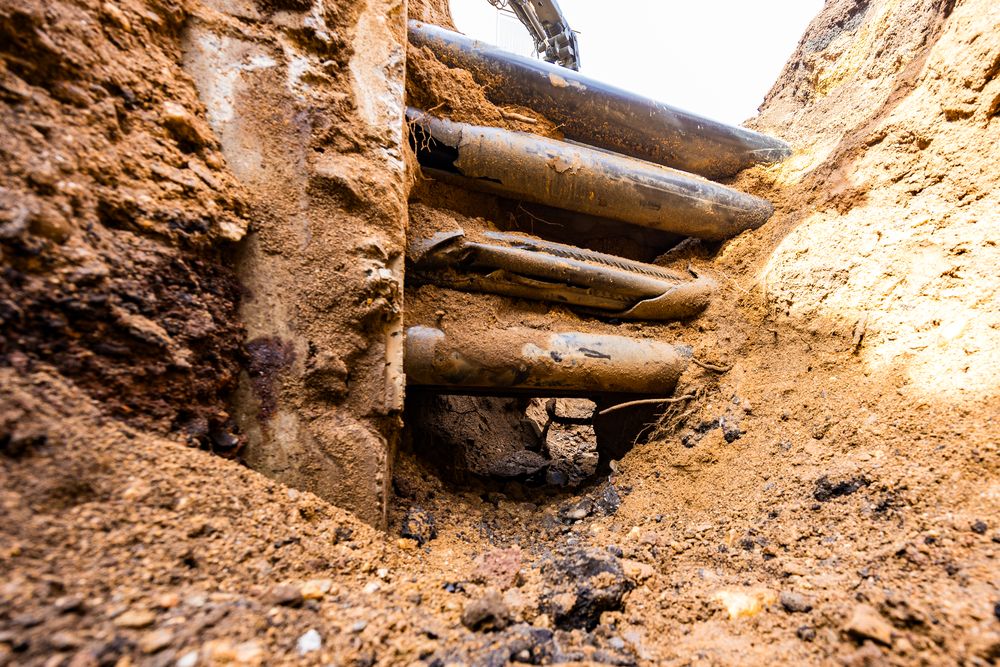
Carefully exposing buried cables, pipes and ducts to confirm exact position and depth before work begins. Soil is drawn away with nothing rigid touching the asset.
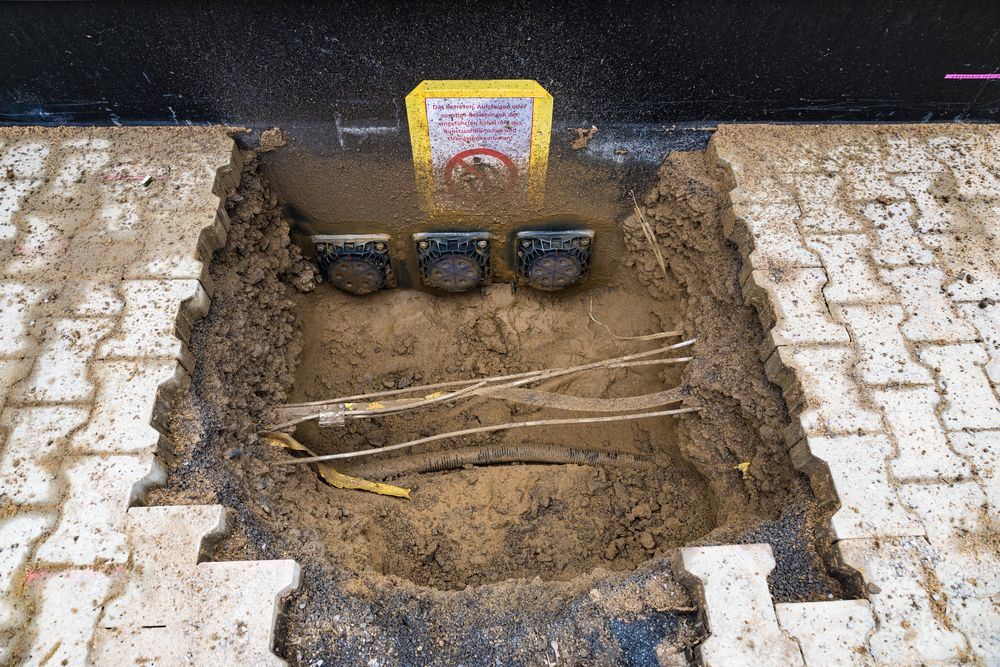
Narrow, clean-sided trenches for new cables, ducts or small-diameter pipe, with spoil lifted straight into the unit and less surface to reinstate.
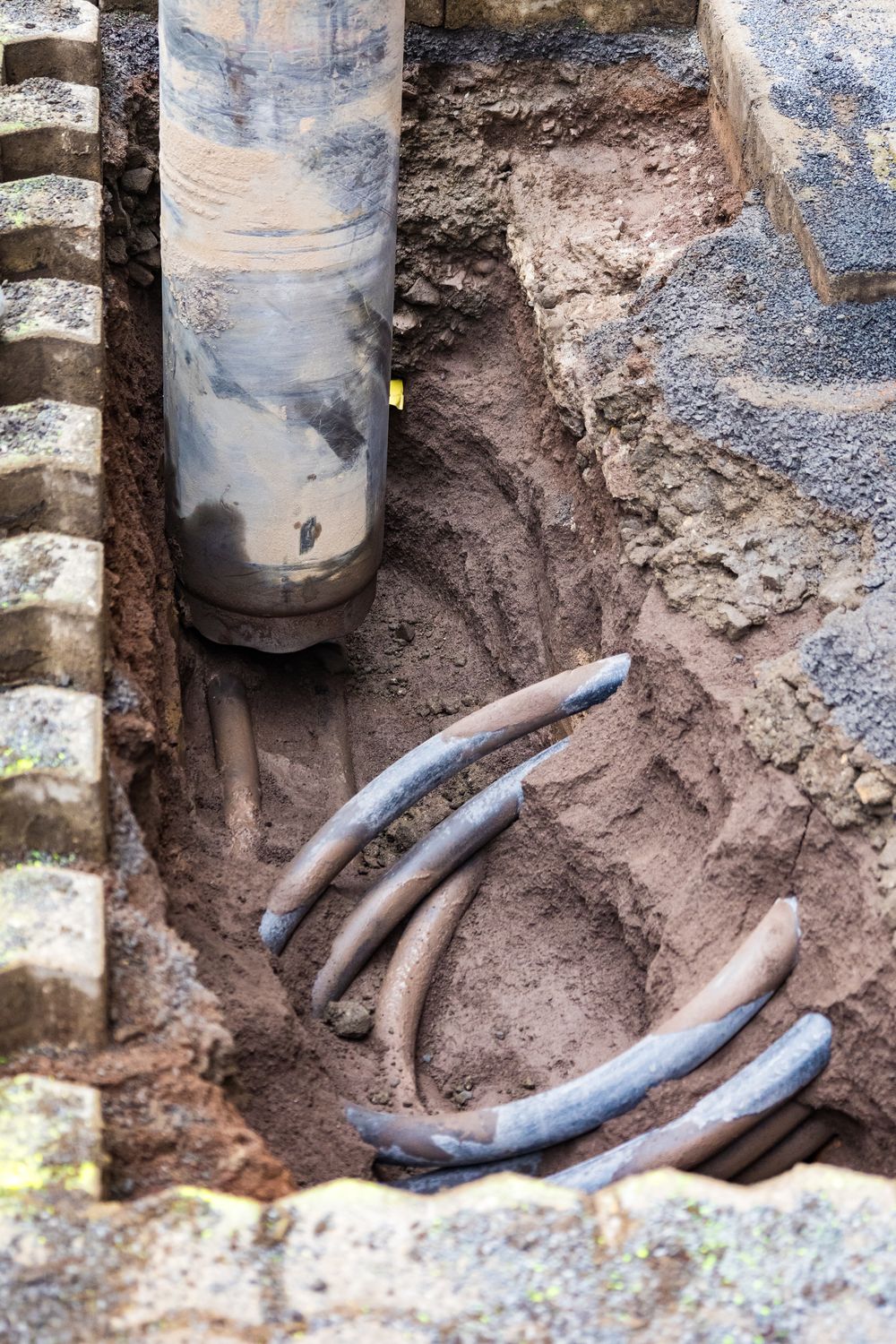
Removing material right alongside energised or pressurised cables, gas and fibre. Nothing rigid contacts the asset, so the network stays live.
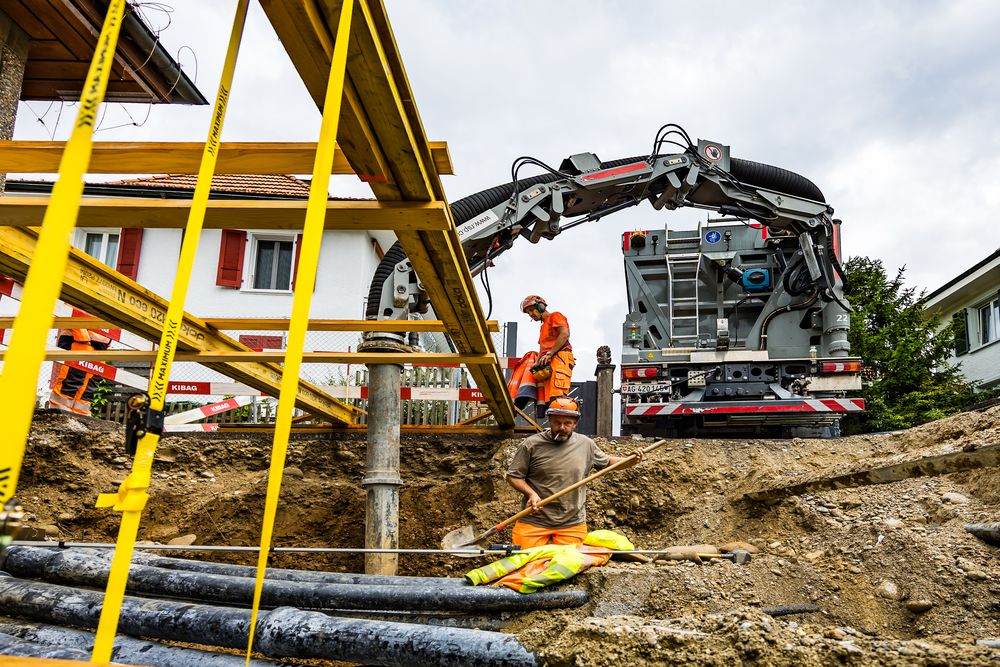
Rapidly clearing soil to reach a burst main, leaking gas line or damaged cable so the repair crew can start, without enlarging the damage.
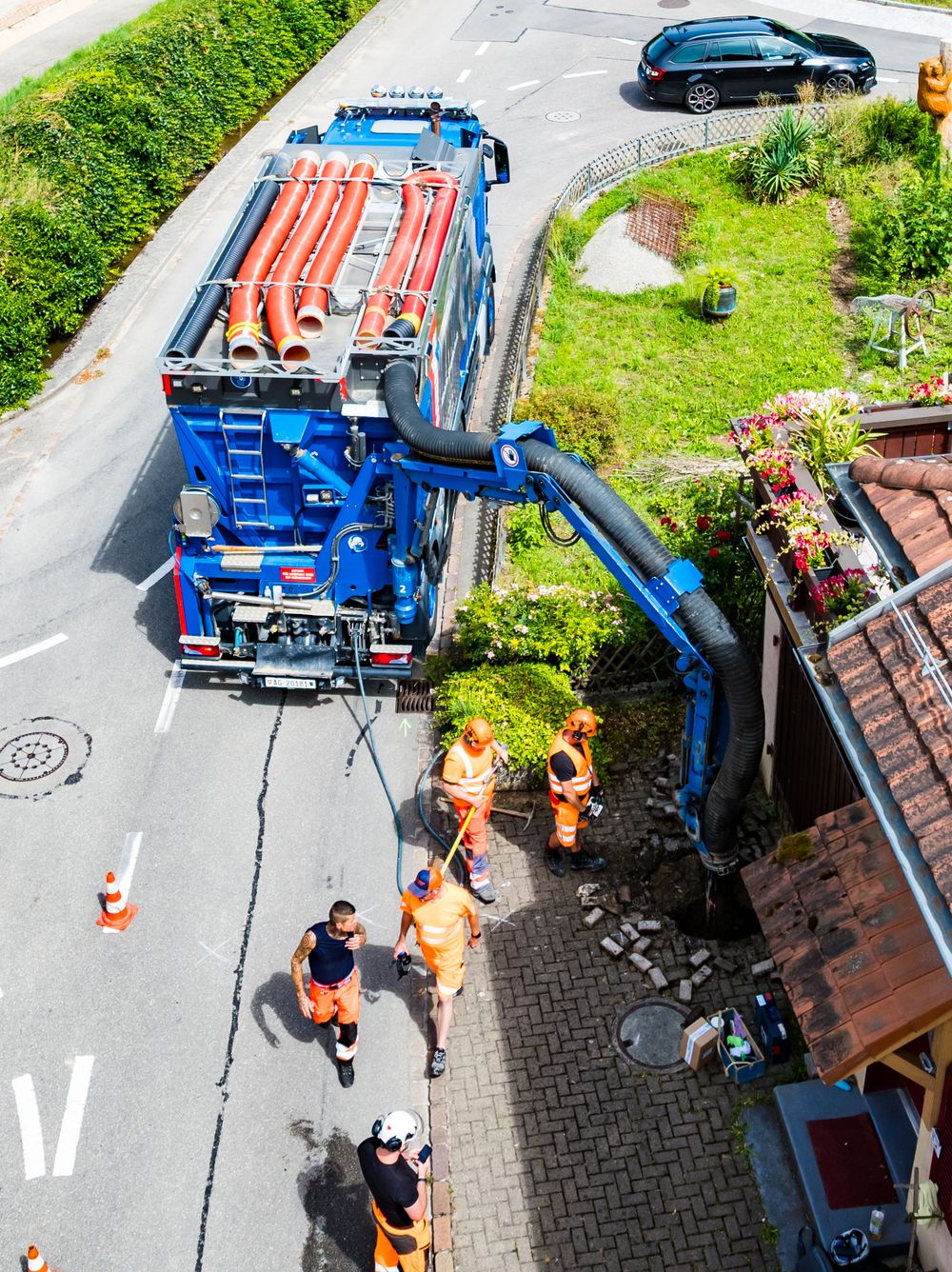
Drawing sand, silt and standing water out of valve chambers, jointing bays and service pits so they can be inspected or worked in safely, all from above.
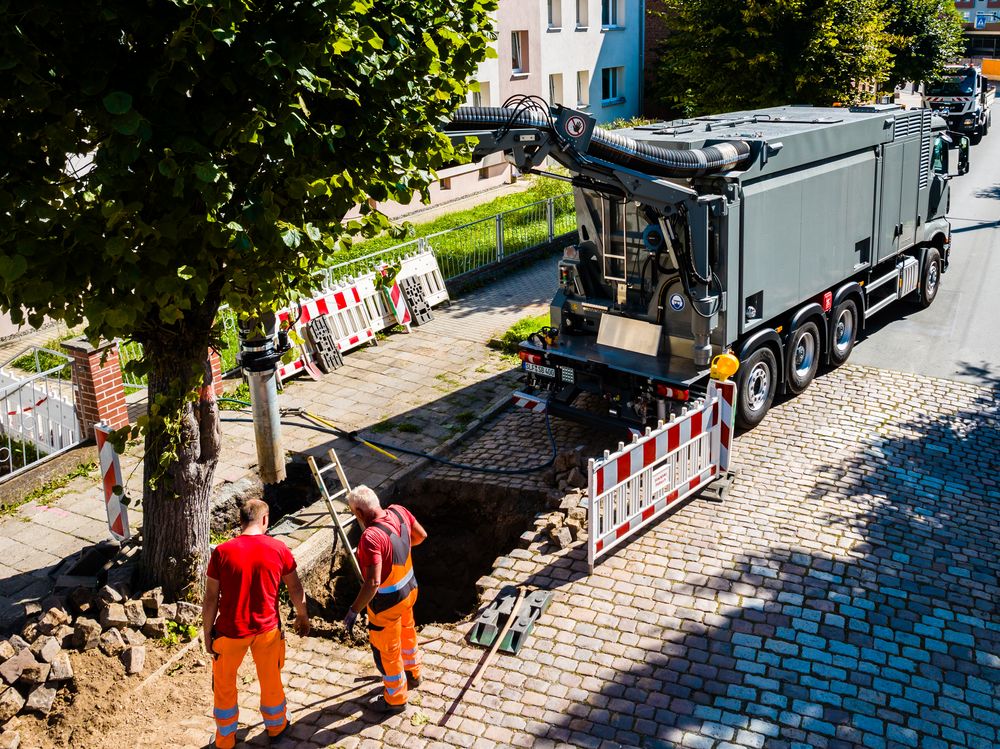
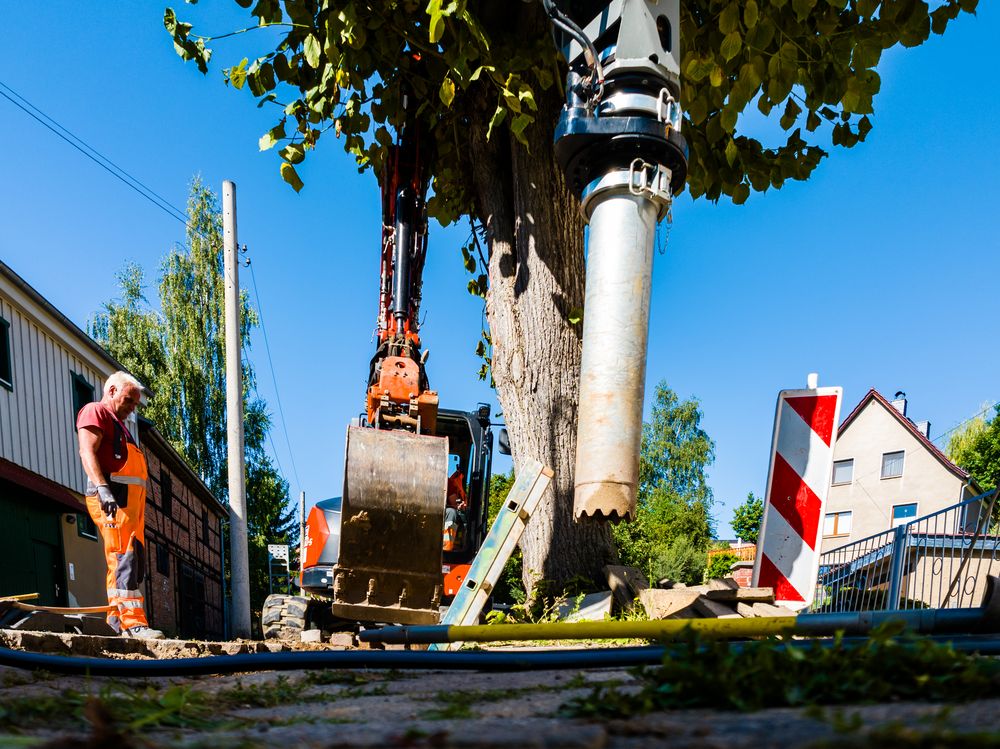
Stripping soil from around root systems to inspect, transplant or work near mature trees without cutting the roots. Supports root-protection compliance.
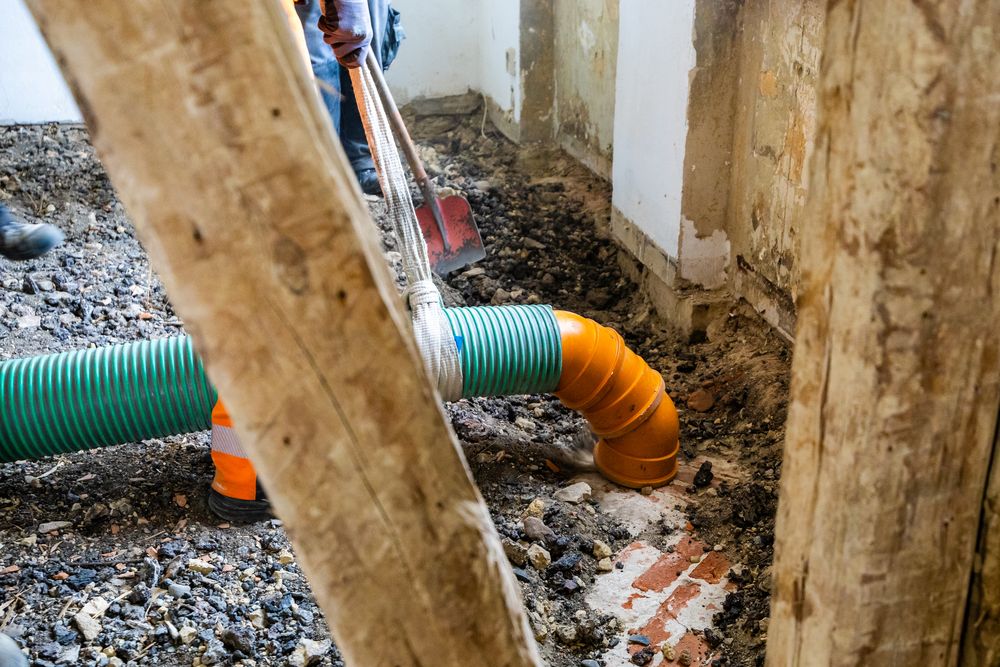
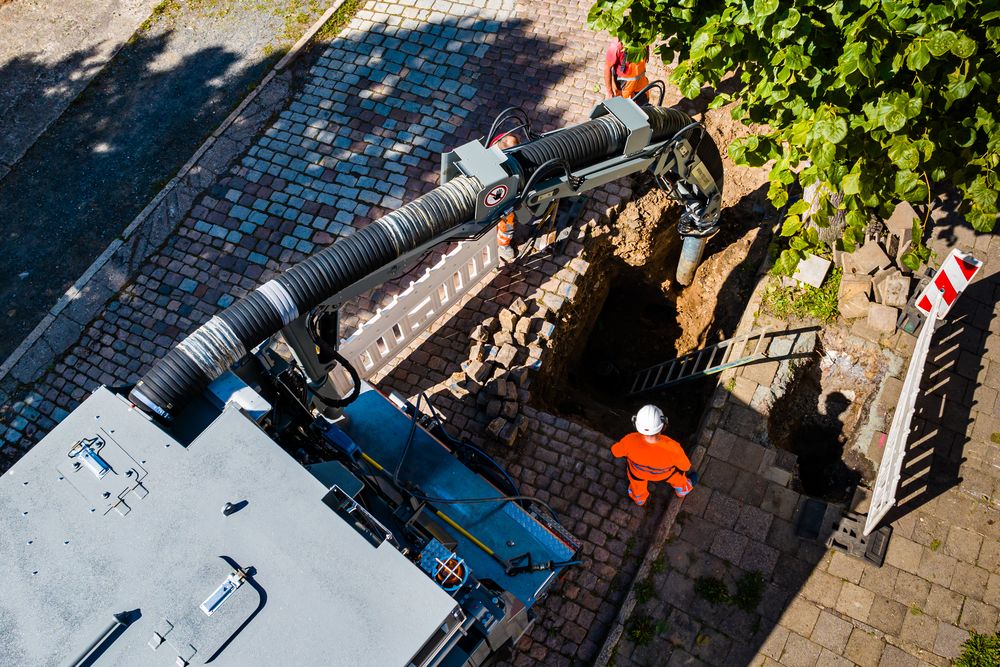
Lifting silt and sediment out of culverts, gullies and channels to restore flow, with long runs cleared from the roadside and no crew in the pipe.
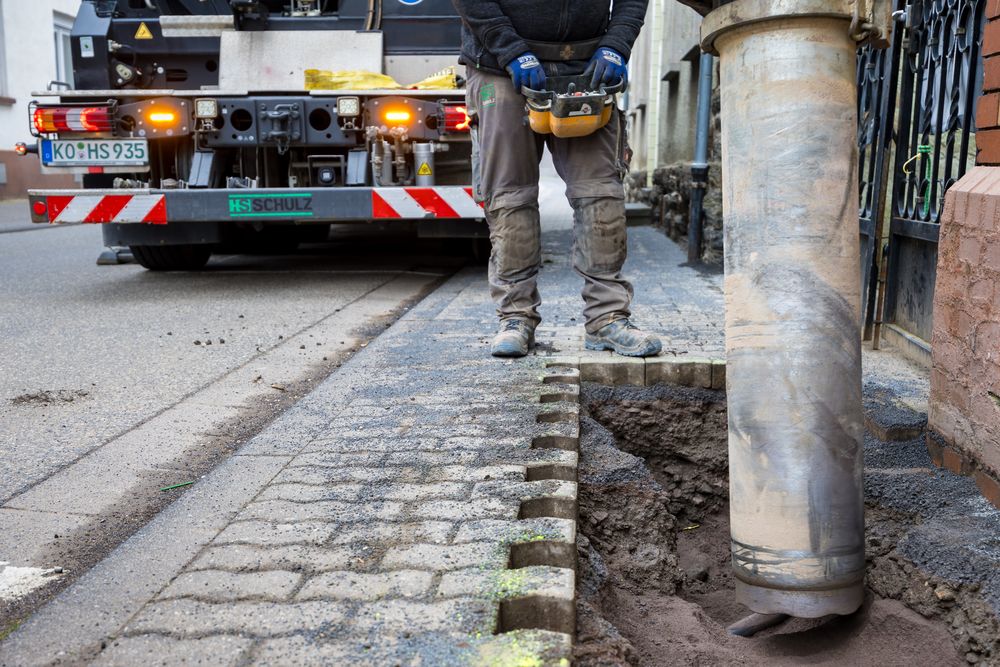
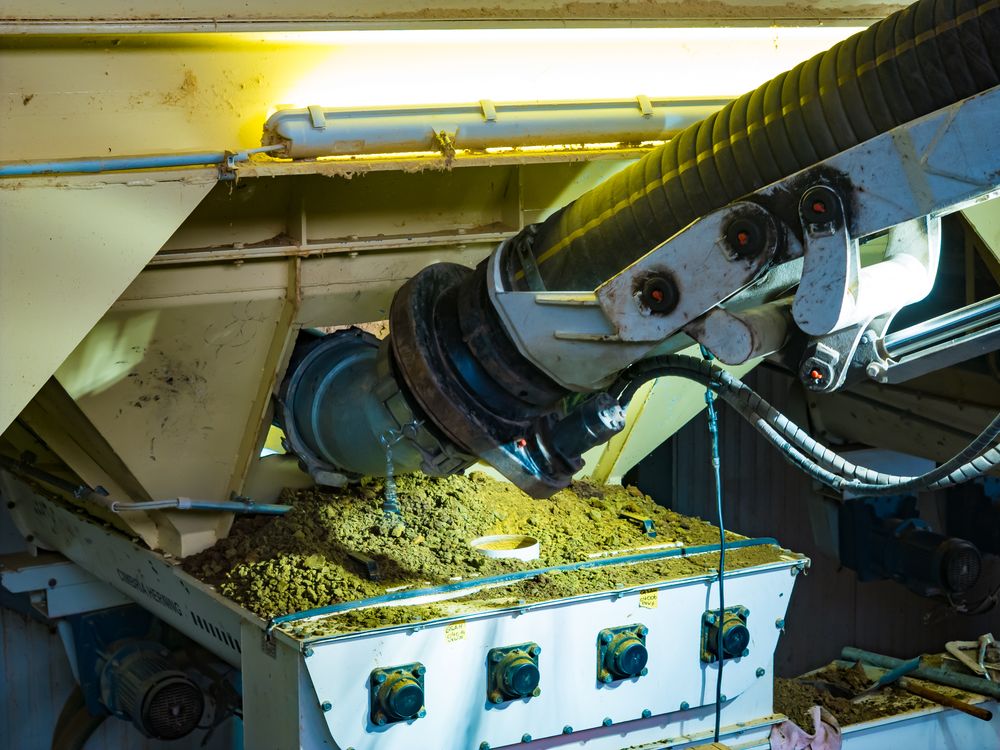
Removing ballast and trackside material in the rail corridor within tight possession windows, working close to signalling cables without mechanical impact.
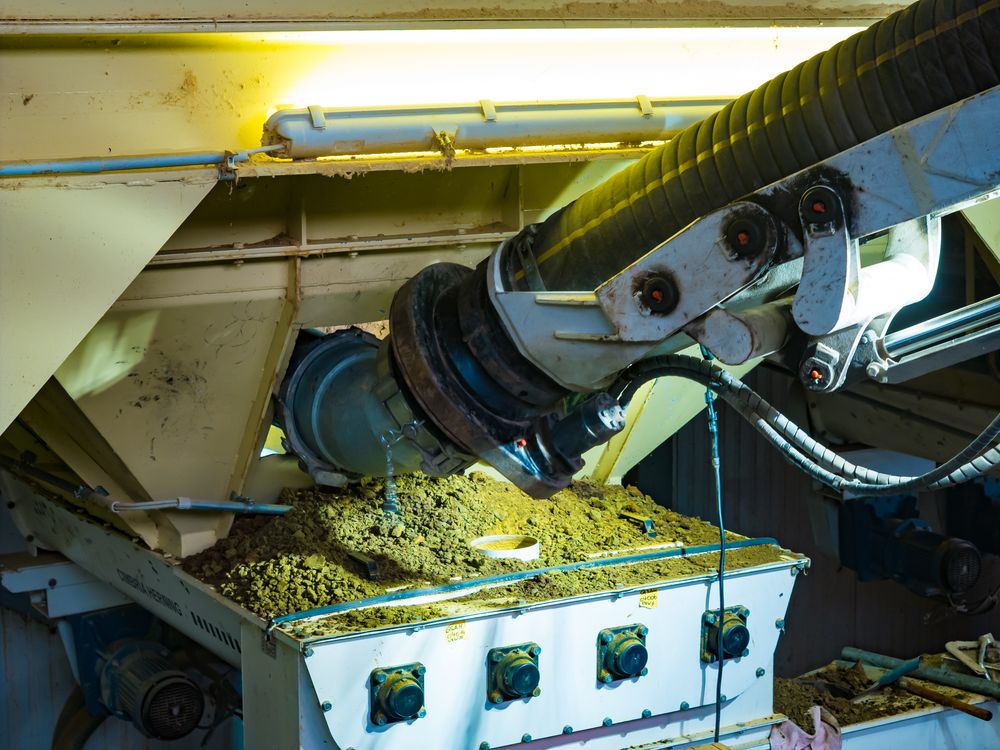
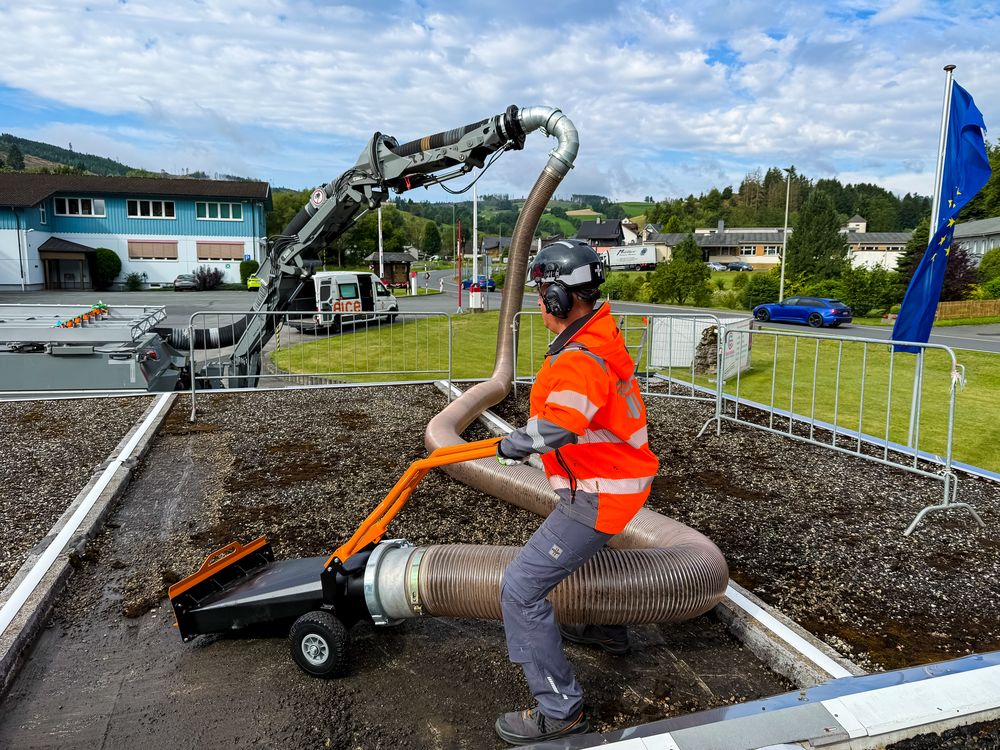
Extracting sludge, sediment and process residue from tanks, silos, hoppers and vessels, including from a safe distance through hose extensions. Material stays contained.
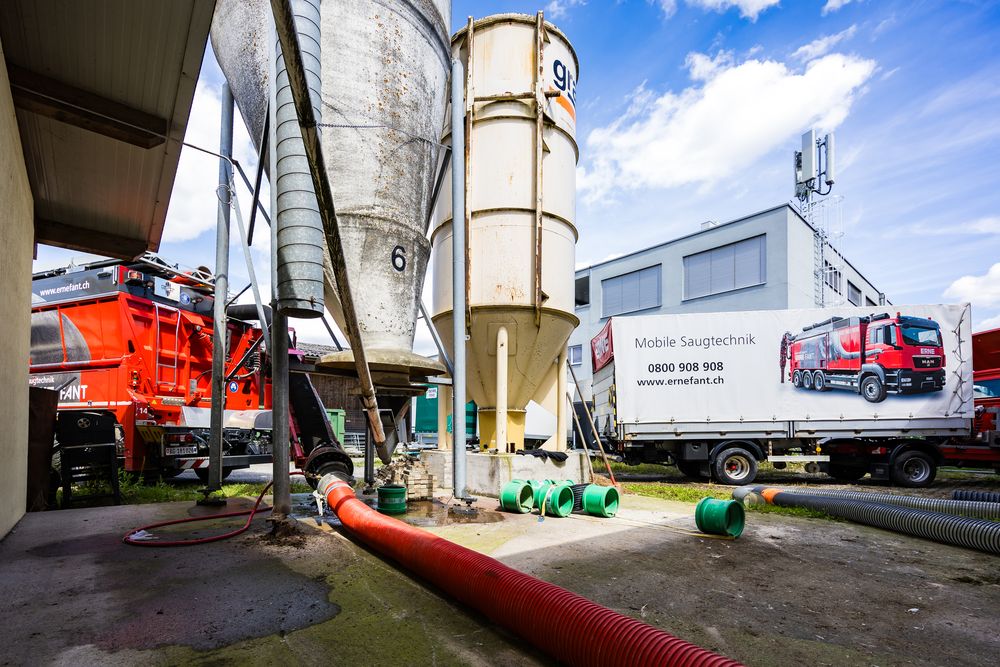
Vacuuming spilled product, dust, ash and gravel from plant floors, structures and roof voids, and recovering reusable material, from fine dust to coarse debris.
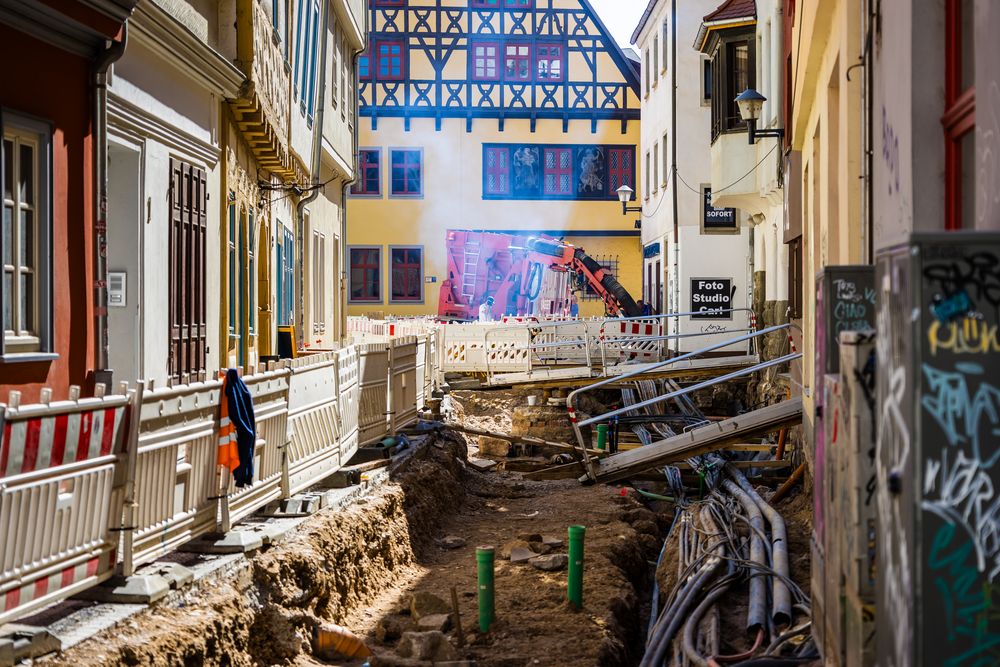
Reaching tight inner-city plots, basements and plant rooms a conventional excavator cannot enter, using long hoses from a unit parked further away.
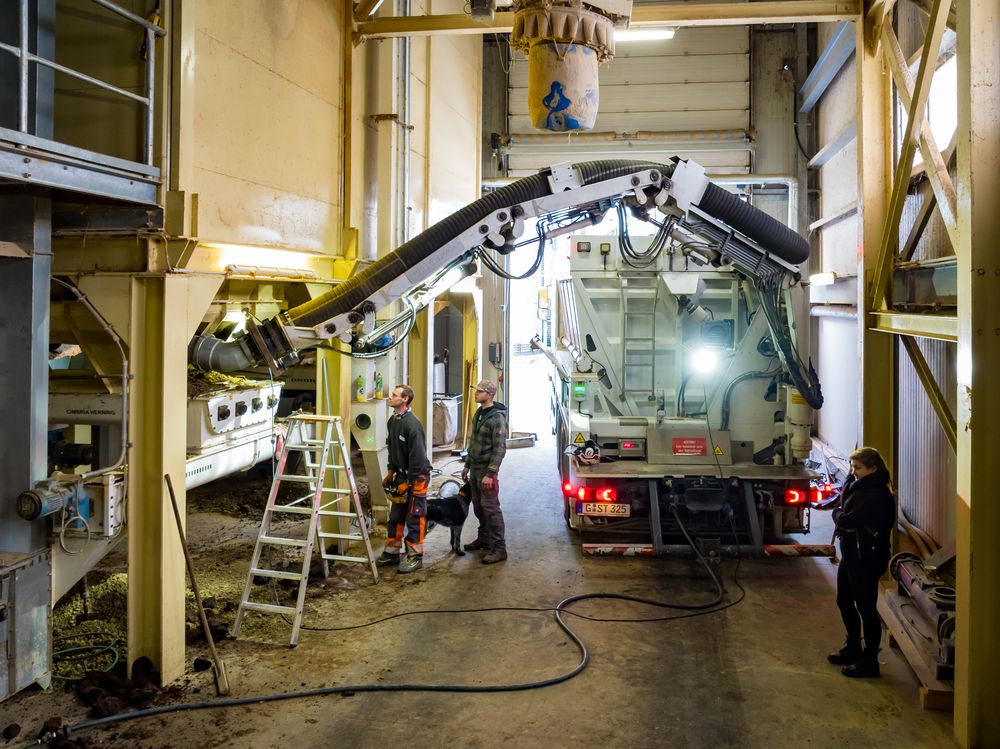
Suction and cleaning in explosive-atmosphere and other regulated zones using rated, spark-controlled equipment, where ignition risk rules out standard plant.
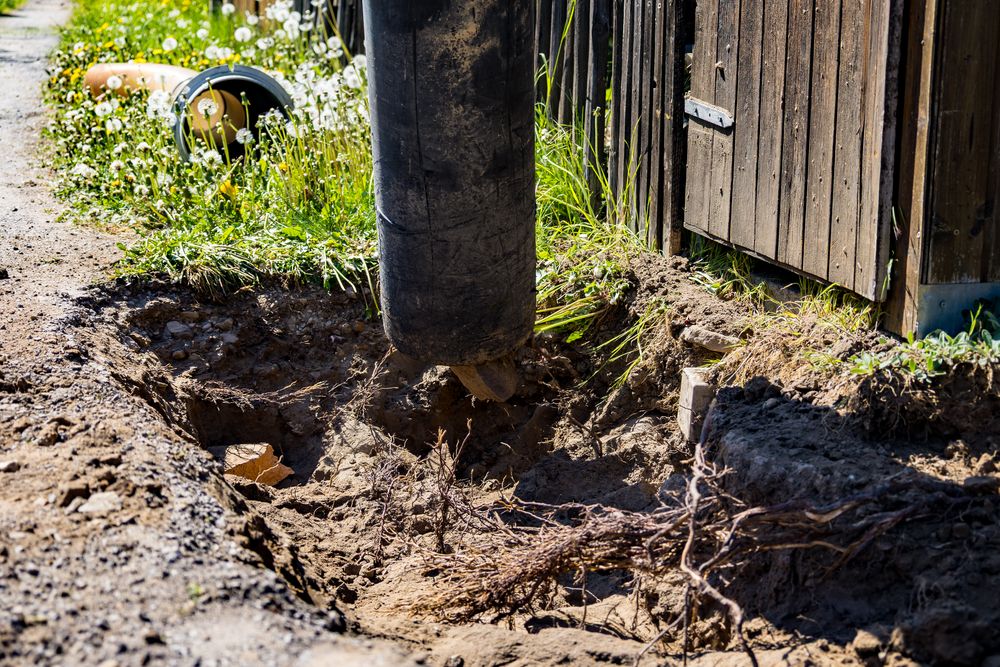
Clean holes for poles, signs, foundations and shoring with controlled diameter and minimal over-dig, so there is less to backfill and reinstate.
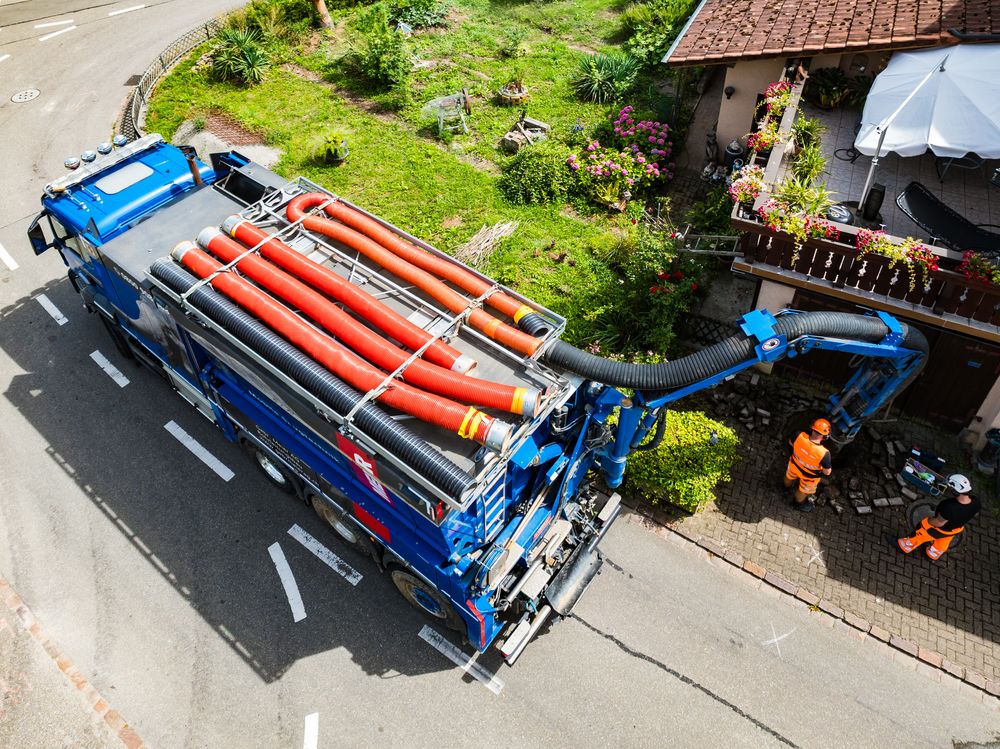
Clearing mud, spill and displaced material after floods, slips and road incidents so sites can reopen, even where conditions block conventional plant.
Don't see your job?
If an excavator can't get near it safely, we probably can.
Sectors
Oil & Gas
Refineries, gas plants and ATEX-zone digs, where a strike is never an option.
Power & Utilities
Substations, cable corridors and transmission tie-ins, worked while live.
Telecom
Fibre backbone exposure and micro-trenching for new and existing routes.
Rail
Ballast and signal-corridor work inside short possession windows.
Roads & Infrastructure
Live-junction utility surveys and traffic-bay digs with minimal closure.
Airports & Ports
Apron cable trenching and fuelling-line exposure in operational areas.
Municipal drainage
Storm and sewer culverts, with pre-season clean-outs.
Industrial estates
Plant maintenance, facility upgrades and service tie-ins.
Case studies
A look at the jobs suction excavation handles best, from live-utility exposure to emergency clearance.
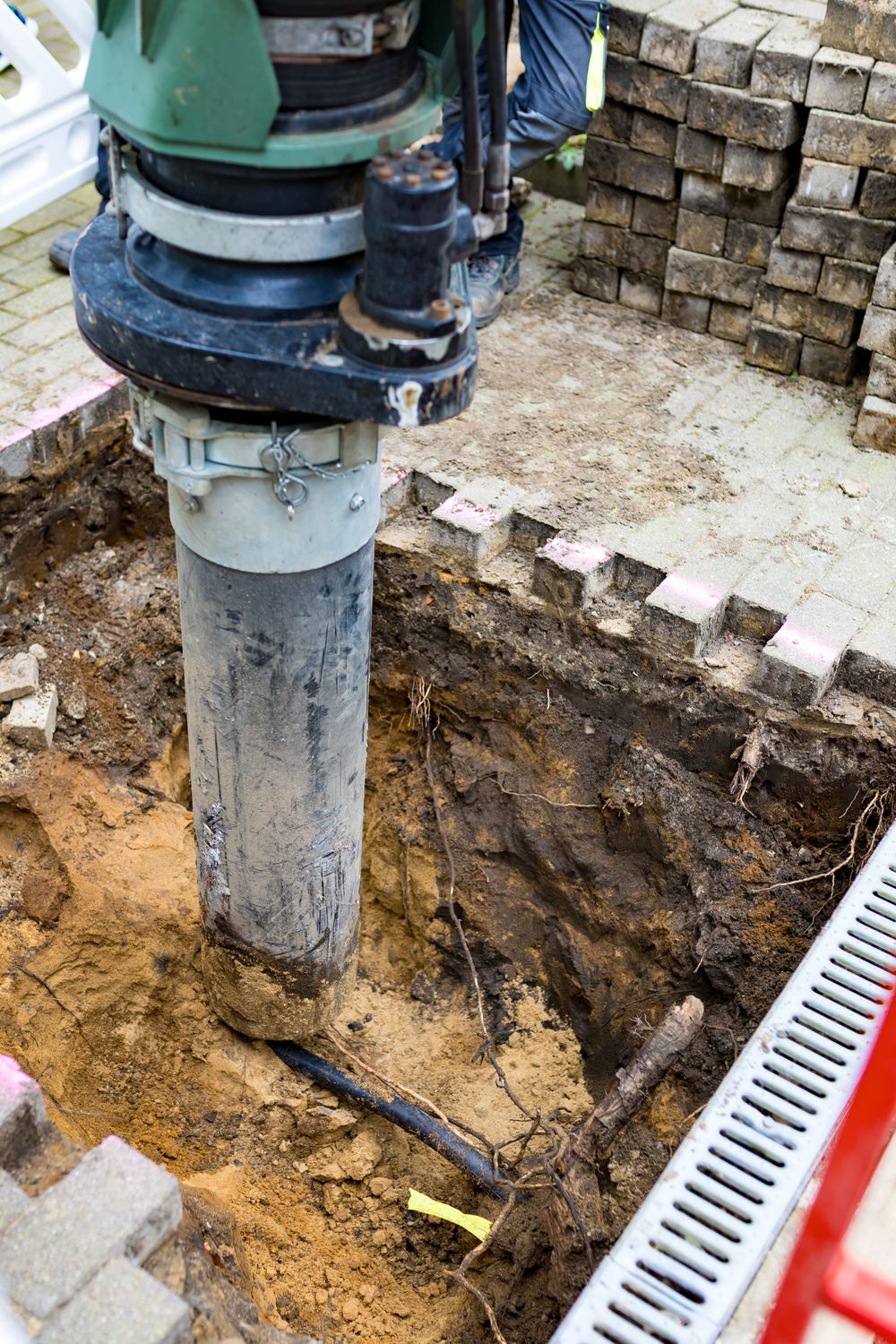
Utilities
A new fibre route had to cross directly above a charged gas main under a congested junction. The soil was drawn away by suction with nothing rigid touching either service. The gas main was confirmed intact, the fibre was laid, and the junction stayed open.
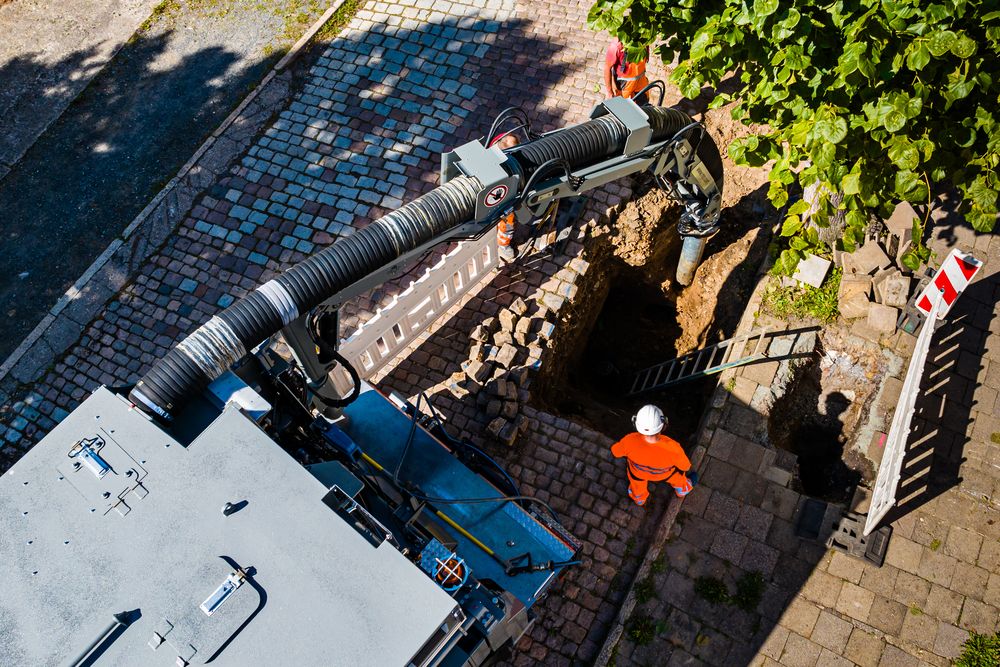
Water
A pressurised main failed beneath a paved surface, flooding the area and threatening nearby cables. A suction unit cleared the saturated ground without enlarging the break, so the repair crew reached the failure point quickly and the excavation was small enough to reinstate the same shift.
Landscaping
A site layout required excavation close to the root zones of mature trees. Suction stripped the soil away cleanly, leaving the roots exposed and undamaged so the design could be adjusted around them. The trees were retained and root-protection requirements were met.
Drainage
A roadside culvert had silted up and stopped draining. The sediment was lifted out from the verge with a long hose, so no one entered the pipe and the running lane stayed open. Flow was restored in a single visit.
Industrial
A process tank in a regulated area needed accumulated sludge removed before inspection. Using rated equipment and hose extensions, the material was drawn out from a safe distance and contained in the unit, with no confined-space entry and no residue spread across the plant.
Rail
Spoil and ballast had to be cleared from a dense signalling-cable corridor inside a narrow possession window. A road-rail-capable unit cleared the material right up to the cables without mechanical impact, and handed them back undamaged inside the possession.
Coverage
We cover mainland UAE, with project mobilisation across the wider GCC.
Standing call-off frameworks for repeat clients.
Emergency response line for live-utility incidents.
Project mobilisation to KSA, Oman and Qatar.
Get a quote
Quotes returned within the working day. Framework pricing available for repeat clients.
Most clients just message us. Prefer to send details? Use the form below.