Services / Live services
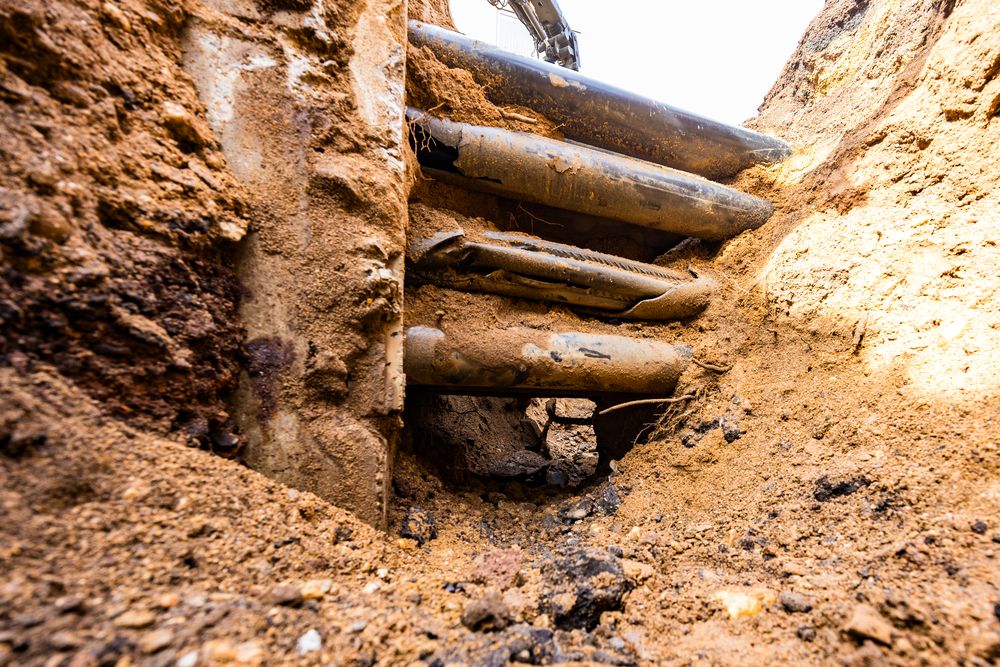
We expose buried power cables, fibre and telecom ducts and open jointing pits, so your team can inspect, joint or divert the cable. The soil is removed by air and nothing rigid touches the cable. Work on live cables runs under the asset owner's permit and method.
For a quote, send the cable route, the depth, the access and what the cable is.
No contact
Nothing rigid touches the cable
6.5 m
Boom reach to the rear
180°
Working sector without moving the truck
Remote control
Operated from a safe distance
We expose the cable or open the pit around it. Your jointers, inspectors or diversion crew then work on a cable that is lying intact in the open.
A jointing pit, or joint bay, is the excavation the jointers work in. We open it by suction around the cables, to the size the jointing team needs, and the cables are left lying intact across the open pit.
Existing jointing bays and cable chambers that have filled with sand and silt are cleared the same way.
| Where | What the job looks like there |
|---|---|
| Sharjah, Ajman and Umm Al Quwain | Jointing pits and cable repairs under the narrow service roads of the industrial areas, beside water, sewer and gas lines. |
| Dubai | Joint bays, cable diversions and fibre routes in corridors shared with water mains and district cooling. |
| Abu Dhabi | Substations, cable corridors and transmission tie-ins. |
| Al Ain | Power cables beside mature trees, with the roots exposed intact. |
| Ras Al Khaimah | Tie-ins for new developments. |
A bucket tooth or a pick cuts a cable sheath in one movement. On a power cable that is an outage and an arc-flash risk. On a fibre route it is thousands of connections down. Hand tools are slower and carry the same risk.
Suction removes the soil around the cable with air. The cable is left lying in the open trench, intact, ready to be inspected, jointed or moved.
Yes. Material is removed right alongside energised cables and nothing rigid contacts them. The operator controls the boom by radio remote from a safe distance, with a clear view of the nozzle.
Work on a live cable runs under the asset owner's permit and method. The approvals are in hand before the truck arrives.
| Network | What is in the ground |
|---|---|
| Power distribution | Low-voltage and 11 kV cables under streets and plots |
| Power transmission | 33 kV and 132 kV circuits with their pilot and fibre cables |
| Telecoms | Duct banks, fibre backbone and street cabinets |
| Street services | Lighting, traffic signal and irrigation control cables |
| Plants and substations | Earthing grids, instrument and control cables |
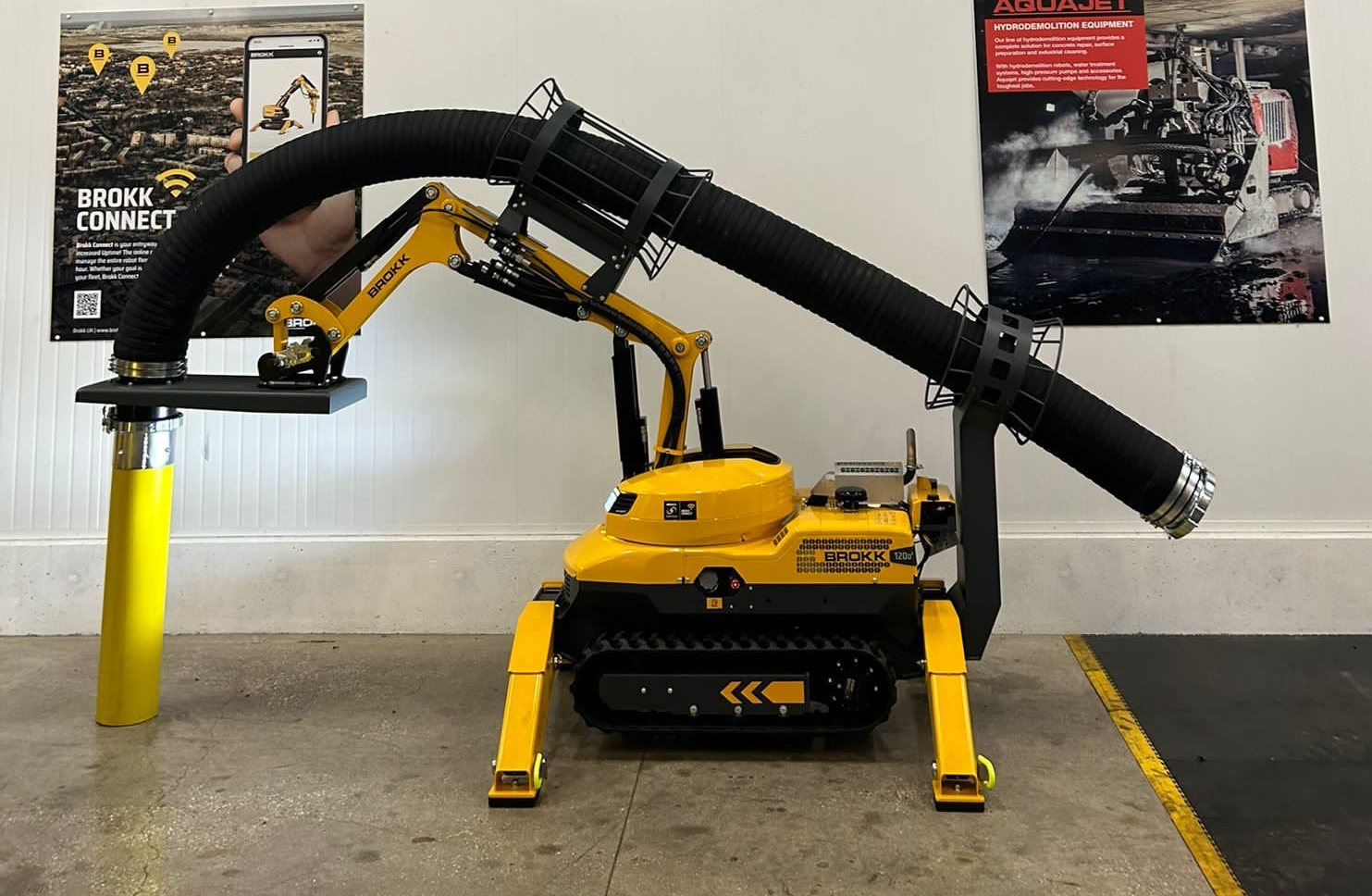
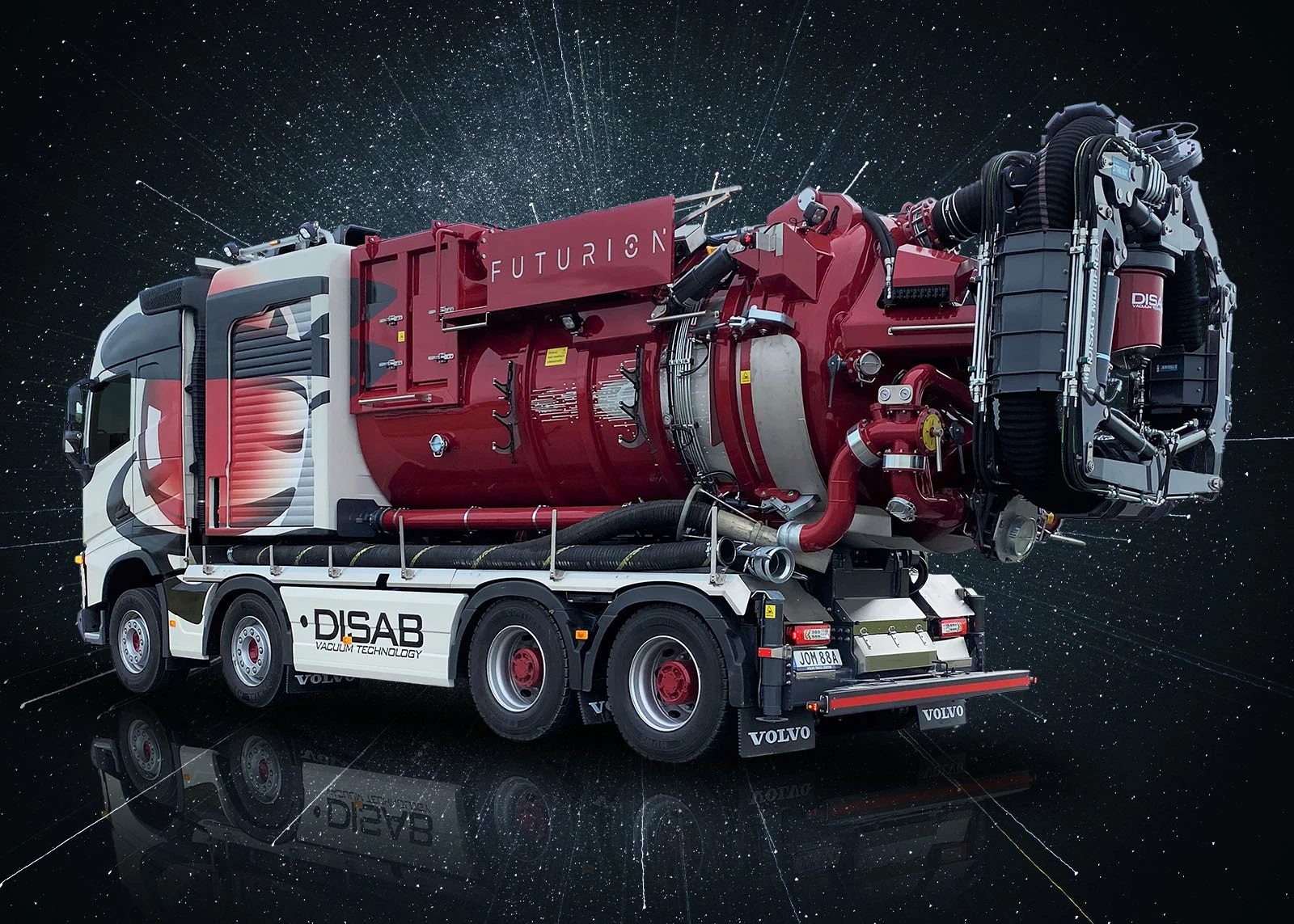
The Q20 boom reaches 6.5 m to the rear and works a 180° sector without the truck moving. Beyond that, hose extensions take the suction further, and a remote-controlled Brokk 120DII carries the nozzle into places a heavy vehicle is not allowed, such as inside a substation compound.
With the asset owner. The site walk, drawings and records come first, and a trial pit or trial trench confirms the position and depth before the full length is opened.
Cable exposure is hired as a suction excavator with an operator, by the day, the week or the month.
Questions and answers
Yes. Air does the digging and nothing rigid contacts the cable. The work runs under the asset owner's permit and method.
Yes. Jointing pits and joint bays are opened by suction around the cables, and existing bays are cleared of sand and silt.
Yes. Fibre backbone exposure and crossings for new and existing routes are regular work for suction excavation.
The machine excavates up to 150 m³ per day. The length that gives depends on the width and depth of the trench.
Yes. We backfill, compact, photograph and sign off.
The cable route, the depth, the access and what the cable is. A drawing or a photo helps.
Get a quote
A location, a photo and what is buried there is enough to start. Quotes are returned within the working day.