Services / Utility exposure
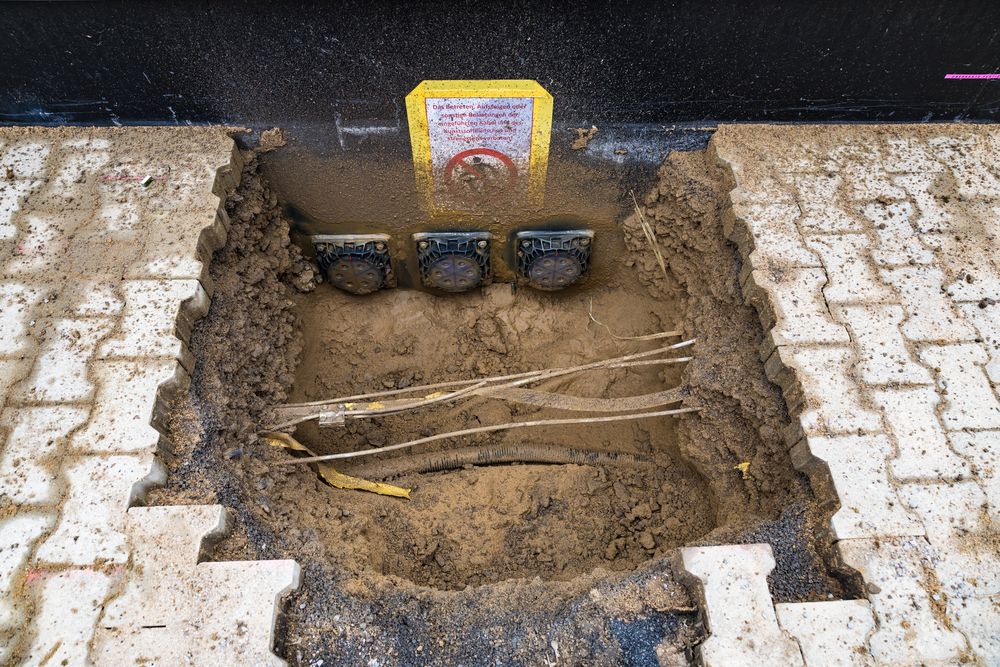
Utility exposure before you pile, drill or trench. When the drawings or a scan show buried services, a trial pit or trial trench confirms their position and depth. We open it by suction across Dubai and the UAE, so cables, pipes and ducts come out intact.
For a quote, send the location, the number of pits or trenches, their depth, the utility drawings and the access.
To the centimetre
Position and depth confirmed
No strikes
Air does the digging
Up to 150 m³
Excavated per day
Same shift
Backfilled and handed back
A trial pit is a small excavation opened over a buried service to see it. A trial trench is a narrow cut across the expected line of several services. Both confirm how many services there are, where they run and how deep they sit.
Trial hole, slit trench, pothole and utility potholing are names for the same work at different sizes.
Between the scan and the main works. The drawings and the scan say where the services should be. The trial pit proves it, and suction is how the pit is opened without striking what it is looking for.
| Stage | What happens |
|---|---|
| 1. Records and scan | Site walk with the asset owner. Drawings, records and any scan results reviewed. Approvals in hand before the truck arrives. |
| 2. Surface | Asphalt is cut or paving lifted. |
| 3. Suction | From there down, the soil is removed by air. Each cable, pipe and duct is exposed with nothing rigid touching it. |
| 4. Verify | Each service is identified, measured and photographed. |
| 5. Hand back | Backfill, compact, photograph and sign off. |
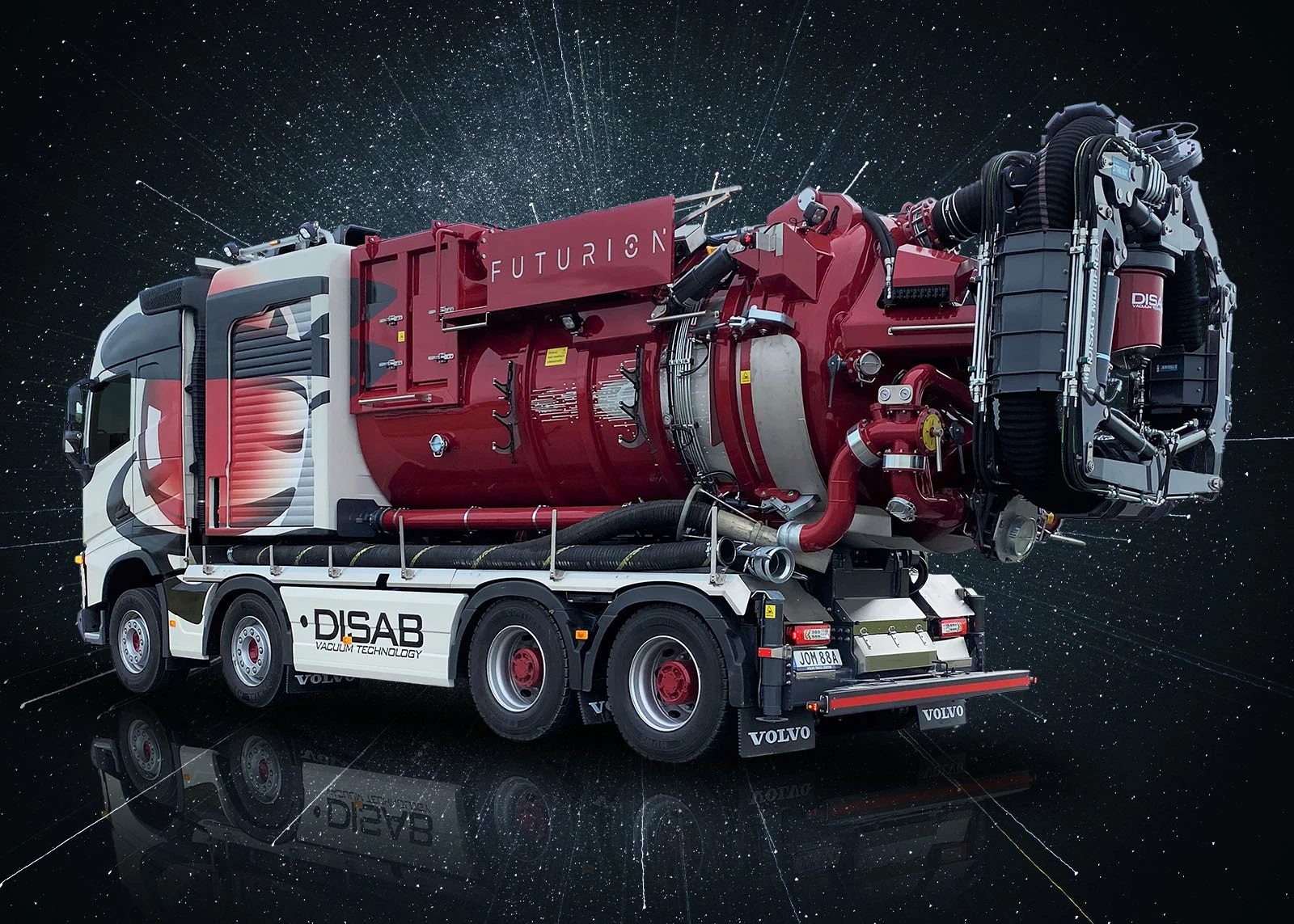
An excavator bucket finds a cable by hitting it. Hand digging is slow and puts people in the trench. Suction removes the soil with air, so the services are exposed without contact and the crew works from the surface.
Swipe the table sideways to see every column.
| Trial pit by suction | Trial pit by hand | |
|---|---|---|
| Risk to the services | No mechanical contact | A pick or shovel can still strike a cable |
| People | Operator at the surface | Diggers in the trench |
| Spoil | Into the tank on the truck | Heaped along the road |
| Excavation | Narrow and clean-sided | Wider, with more to make good |
| Pace | Up to 150 m³ per day | Slow and hand-paced |
The excavation is narrow and clean-sided. There is less surface to break out and less to reinstate afterwards.
A locator or a ground-penetrating radar scan reads the ground from the surface and gives an indication. A trial pit shows the service itself: what it is, how big it is, how deep it sits and what condition it is in.
The two work together. The scan says where to look, and the pit proves what is there. Only the open excavation finds the duct that is on no drawing and gave no signal.
Potholing is the trial pit at its smallest: a hole opened over one buried service, or at one pile or bore position, to see what is there before the rig arrives.
A piling rig or a drill cannot tell a cable from the soil around it. The pothole shows the service, its depth and its direction, so the pile or the bore is placed clear of it.
Machines mobilise from our warehouse in Dubai Investment Park 1 to sites across Dubai and all seven emirates. Work in a road corridor runs on the asset owners' approvals, and trial pits are how their assets are located and verified before the main works start.
| Where | What the job looks like there |
|---|---|
| Dubai | Utility proving at the pile line on tower plots and before road works, under the asset owners' no-objection certificates. |
| Al Ain | Older districts with decades-old records, and trial pits beside mature trees with the roots left intact. |
| Abu Dhabi | Service corridors shared by power, water, district cooling and telecoms, in wet sand and sabkha. |
| Sharjah, Ajman and Umm Al Quwain | New connections across the narrow service roads of the industrial areas. |
| Fujairah | Before any excavation near terminal lines and pipeline corridors. |
| Ras Al Khaimah | New roads, resorts and utility connections in stony ground. |
The services exposed and visible, their position and depth measured, photographs of the open excavation, and a signed hand-back. The excavation is then backfilled and compacted and the corridor returned in the same shift.
Trial pits are hired as a suction excavator with an operator. A single trial trench is a one-day job, and quotes are returned within the working day.
Questions and answers
Yes. The trench exposes everything that crosses its line, recorded or not. That is the reason to dig it before the main works.
Yes. Potholing, daylighting and trial hole are names for a small excavation opened to see one buried service and confirm where it is.
Yes. Machines mobilise from our warehouse in Dubai Investment Park 1 to sites across Dubai, and we cover all seven emirates.
Yes. We backfill, compact, photograph and sign off, and the corridor is returned in the same shift.
Yes. The truck parks alongside, the boom works a 180° sector without the truck moving, and the spoil goes into the tank instead of onto the road.
The location, the number of pits or trenches, their length and depth, the utility drawings and the access. A photo of the site helps.
Get a quote
A location, a photo and what is buried there is enough to start. Quotes are returned within the working day.