S

Services / Live services

Pipeline and water main exposure by suction excavation

We uncover existing pipes for inspections, tie-ins, repairs and crossings: water mains, gas mains, oil lines and district cooling pipes. The soil is removed by air, so nothing rigid touches the pipe or its coating. Permissions and the method are confirmed with the asset owner before work starts.

Call +971 58 597 9613

For a quote, send the line type, the pipe size, the depth, the length to expose and the drawings.
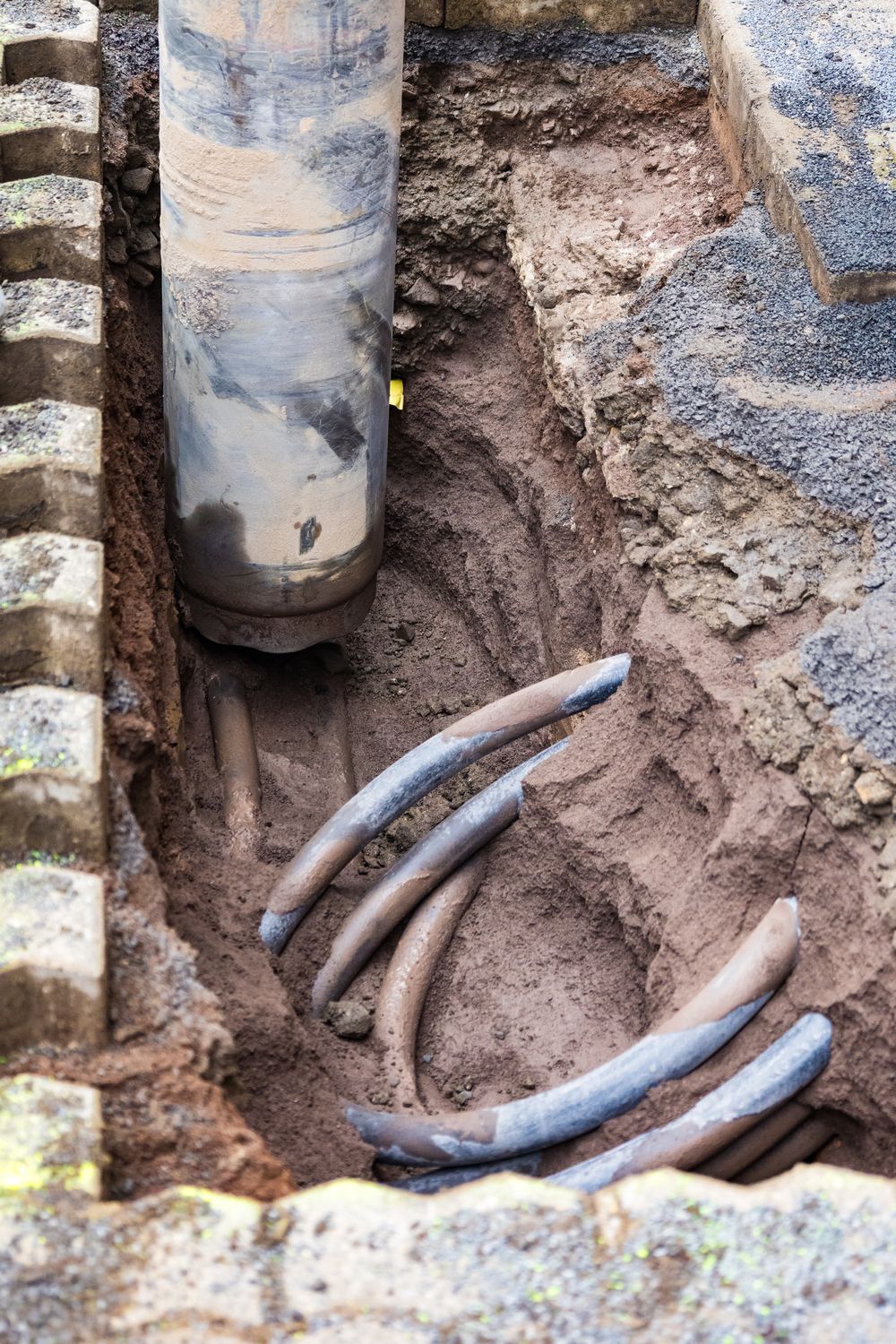
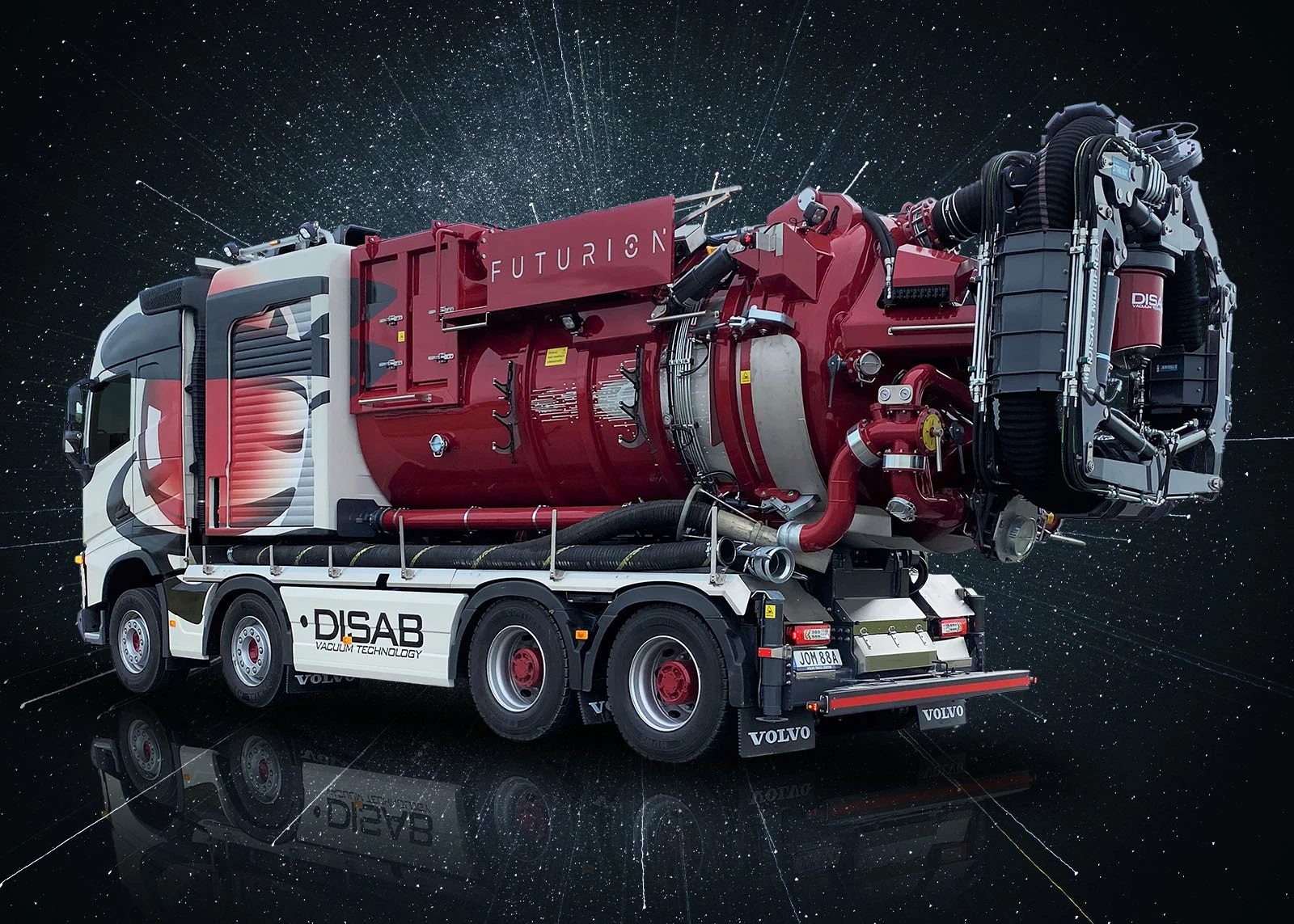
Buried pipes exposed by suction excavation with the suction hose above them

No contact

Pipe and coating untouched

ATEX-rated

Spark-controlled equipment

10 inch

Suction hose

Deep services

Extension pipes carried

What pipeline work do you do?

We uncover the pipe and leave it exposed and intact. Your inspectors, pipefitters or repair crew then work on it.

  • Water main exposure before a tie-in or a new connection
  • Inspection digs and coating repairs
  • Tie-ins, hot taps and new connections
  • Valve, flange and fitting exposure
  • Leak location on water and gas mains
  • Crossings where a new service passes over or under an existing line
  • District cooling and chilled-water lines under roads

How is a water main exposed before a tie-in?

The main is found from the drawings and confirmed with a trial pit. We then remove the soil around the pipe by air, over the length and to the depth the tie-in needs.

Wet ground around a main is lifted out with the water. The pipe is left exposed and intact for the connection, and the excavation is backfilled and compacted afterwards.

Can you excavate at a pipeline crossing or around existing pipes?

Yes. Where a new cable, duct or pipe passes over or under an existing line, the crossing point is opened by suction. The existing pipe is exposed across the width of the new trench, so its position and depth are known before the new service is laid past it.

In a corridor with several pipes side by side, air removes the soil between them without contact. Trench and slot excavation covers new routes through existing services.

Water main exposure and tie-in excavation in Abu Dhabi, Fujairah and the other emirates

WhereWhat the job looks like there
Abu DhabiWater main repairs and tie-ins in wet sand, in corridors shared with power, district cooling and telecoms.
FujairahPipeline repair and tie-in excavation around the oil terminals, the port and the water transmission mains from Qidfa.
DubaiWater mains and district cooling lines under high-rise districts.
Sharjah, Ajman and Umm Al QuwainGas and water mains under service roads.
Al AinWater and irrigation networks along tree-lined roads.

Why expose a pipeline by suction?

A pipeline is protected by its coating. A bucket tooth that scores the coating starts corrosion that shows up years later, and a harder strike on a pressurised line is a leak or worse. Suction lifts the soil away with air, so the pipe and its coating are left exactly as they were buried.

Which lines do you expose?

LineWhy it is exposed
Water mainsTie-ins, new connections, leak repair and valve replacement
Gas mains and service linesLeak location, new connections and diversions
Oil and product pipelinesInspection digs, coating repair and tie-ins
District cooling linesJoint and insulation repairs under roads and plots
Sewer rising mains and firewater mainsRepairs and tie-ins inside live networks and plants

Can the line stay in service?

Yes. Soil is removed right alongside pressurised pipework and nothing rigid contacts it. The operator works the boom by radio remote from a safe distance.

Permissions and the method are confirmed with the asset owner before the work starts.

What about gas and hydrocarbon sites?

We use ATEX-rated, spark-controlled equipment for explosive-atmosphere and otherwise regulated sites. Oil, gas and refinery excavation covers this work.

How deep can you expose a pipe?

The Q20 carries extension pipes for deep-buried services. Send us the depth and the ground and we confirm the setup with the quote. Deep excavation, pits and shafts has more.

What do you need from me to quote?

  • The line type and what it carries
  • The pipe size
  • The depth
  • The length to expose
  • The drawings, with a location pin and a photo
  • The access for the truck

Pipeline exposure is hired as a suction excavator with an operator, by the day, the week or the month.

Questions and answers

Pipeline and water main exposure: the short answers.

Does suction excavation damage pipe coating?

No. The soil is drawn away by air and nothing rigid touches the pipe, so the coating is left intact.

Do you expose water mains for tie-ins?

Yes. The main is exposed over the length and to the depth the tie-in needs, with nothing rigid touching the pipe.

Can you expose a pressurised gas main?

Yes. Suction removes material alongside pressurised lines with no mechanical contact, using ATEX-rated, spark-controlled equipment on regulated sites.

Do you expose district cooling pipes?

Yes. Chilled-water lines under roads and plots are exposed the same way, with the insulation left undamaged.

Who confirms the permissions for a pipeline exposure?

The asset owner. Permissions and the method are confirmed with the asset owner before the work starts.

What do you need to quote a pipeline exposure?

The line type, the pipe size and depth, the length to be exposed and the drawings. A photo helps.

Machines for this work

All equipment →

Related pages

All services →

Get a quote

Tell us where, what and when.

A location, a photo and what is buried there is enough to start. Quotes are returned within the working day.